
A recent assessment by a prominent United States–based foreign policy think tank has raised concerns about the possibility of renewed armed conflict between India and Pakistan in 2026. According to its annual global conflict outlook released in December, there is a moderate likelihood that tensions related to terrorism in Kashmir could escalate into direct military confrontation. The report also warns that Pakistan could face armed clashes with Afghanistan during the same period, highlighting growing instability across South Asia.
Longstanding Roots of India–Pakistan Tensions
India and Pakistan have shared a troubled relationship since their independence in 1947, with the Kashmir dispute remaining at the centre of their rivalry. The two neighbours have fought multiple wars and have experienced numerous military standoffs, most of them linked to Kashmir and allegations of cross-border militancy. Despite periodic peace initiatives, trust deficits and unresolved political issues continue to define bilateral relations.
Over the years, ceasefire violations along the Line of Control, diplomatic breakdowns, and terror attacks have sustained a cycle of retaliation and escalation. While both countries have generally avoided full-scale wars in recent decades, short but intense military confrontations have become more frequent, increasing the risk of miscalculation.
Recent Escalations and Military Posturing
The think tank’s warning follows a series of serious confrontations between India and Pakistan in 2025. These clashes were triggered by a major terrorist attack in Indian-administered Kashmir, which India attributed to Pakistan-based militant groups. In response, India launched targeted military operations aimed at destroying what it described as terrorist infrastructure across the border.
The situation rapidly escalated into several days of missile exchanges, drone strikes, and heavy military deployments on both sides. Although a ceasefire was eventually reached, the episode demonstrated how quickly tensions can spiral into open conflict. The aftermath has seen both countries strengthening their military capabilities, signalling preparedness for future confrontations.
India has continued to modernise its armed forces with advanced surveillance systems, missile defence platforms, and precision-guided weapons. Pakistan, facing economic pressures, has still pursued military upgrades through strategic partnerships, focusing on air defence systems, drones, and missile technology.
What the Think Tank Report Indicates
The report classifies the potential India-Pakistan conflict as having a moderate likelihood but high impact. It notes that terrorism-related incidents in Kashmir remain the most probable trigger for escalation. Even a limited military response could quickly expand due to domestic political pressure, nationalist sentiment, and the absence of sustained dialogue.
The report also highlights the danger posed by militant groups operating in and around Kashmir. Their actions can provoke military retaliation, reduce diplomatic space, and undermine confidence-building measures. When combined with aggressive political rhetoric and military readiness on both sides, these factors create an environment prone to crisis.
autotestinghub.com | theautosfreak.com | autoglidez.com
thesporttrophy.com | purecbdnet.com
Pakistan and Afghanistan: Another Volatile Front
Beyond India-Pakistan relations, the report flags the possibility of armed conflict between Pakistan and Afghanistan in 2026. Cross-border attacks, militant movement, and disputes along the frontier have strained ties between the two neighbours. Skirmishes in recent years have resulted in casualties and displacement of civilians, showing how fragile the situation remains.
While a Pakistan-Afghanistan conflict may not carry the same global consequences as an India-Pakistan war, it would further destabilise the region, complicate counter-terrorism efforts, and place additional strain on Pakistan’s already challenged economy and security apparatus.
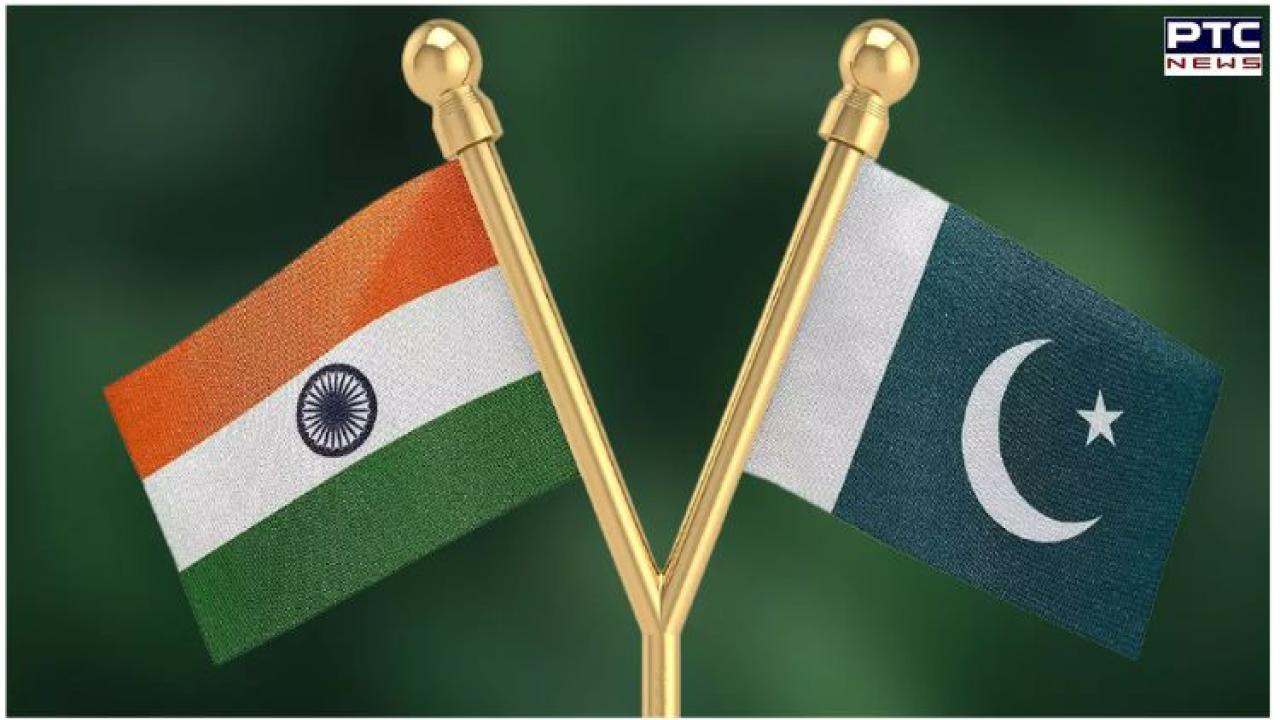
Implications for Regional and Global Stability
An armed conflict between India and Pakistan would have serious consequences beyond South Asia. Both countries possess nuclear weapons, and although their doctrines emphasise deterrence, any military clash carries the risk of escalation. Even a limited conventional war could heighten fears of nuclear brinkmanship, alarming the international community.
Economically, conflict would disrupt trade, deter investment, and slow growth across the region. South Asia’s development goals could suffer major setbacks as governments divert resources toward defence spending and post-conflict recovery.
Diplomatically, prolonged hostility would weaken regional cooperation on issues such as counter-terrorism, climate resilience, and economic integration. It could also complicate relations with major global powers that have strategic interests in the Indo-Pacific region.
Role of External Powers
External actors, particularly the United States, play an important role in crisis management in South Asia. In past confrontations, international diplomacy has helped de-escalate tensions between India and Pakistan. However, shifting global priorities, geopolitical competition, and evolving alliances may limit the effectiveness of external intervention in the future.
India’s growing strategic ties with Western nations and Pakistan’s reliance on select regional partners add further complexity to the regional balance of power.
Pathways to Reducing Conflict Risk
Preventing renewed conflict will require sustained efforts on multiple fronts. Open communication channels between military and political leaderships are essential to manage crises. Strengthening counter-terrorism mechanisms and avoiding inflammatory rhetoric can reduce the likelihood of sudden escalation.
Confidence-building measures, such as adherence to ceasefire agreements and humanitarian cooperation, can help rebuild limited trust. Regional dialogue involving neighbouring countries may also contribute to addressing cross-border security challenges more effectively.
Conclusion
The warning issued by the US think tank serves as a reminder that South Asia remains vulnerable to sudden and dangerous escalation. With unresolved disputes, active militant threats, and heightened military readiness, the risk of armed conflict between India and Pakistan in 2026 cannot be dismissed. Avoiding such a scenario will depend on political will, diplomatic engagement, and a shared commitment to regional stability.
