
Cricket in South Asia often goes beyond the boundary ropes, intersecting with public sentiment, politics, and national pride. The latest episode involving Bangladesh fast bowler Mustafizur Rahman is a clear example of how off-field developments can overshadow on-field performances. Following his unexpected Indian Premier League (IPL) snub, a wider controversy emerged around Bangladesh’s participation in the upcoming ICC Men’s T20 World Cup, scheduled to be hosted in India. Despite being placed at the centre of this unfolding saga, Mustafizur Rahman has remained composed, professional, and focused on his cricket.
The IPL Snub That Sparked Debate
Mustafizur Rahman’s situation took an unexpected turn when he was released from his IPL franchise ahead of the new season. The decision reportedly came after instructions from Indian cricket authorities, a move that surprised fans and analysts alike. Known for his effectiveness in T20 cricket and his ability to deliver under pressure, Mustafizur had been considered a valuable overseas signing.
The snub immediately drew attention because the IPL has traditionally positioned itself as a league that separates cricketing merit from political developments. As news of Mustafizur’s release spread, it sparked debates about whether non-sporting considerations had begun influencing team selections and player participation.
Bangladesh’s Strong Response
What followed elevated the issue from a league-level decision to an international controversy. The Bangladesh Cricket Board (BCB) announced that it was unwilling to send its national team to India for the T20 World Cup matches, citing concerns over player safety and security. This stance was taken after consultations with the Bangladesh government, reflecting how seriously the matter was viewed at the national level.
Bangladesh formally communicated its concerns to the International Cricket Council (ICC), requesting that its World Cup matches be shifted to a neutral venue. Sri Lanka emerged as a possible alternative location. The announcement placed the ICC in a difficult position, as any change would have logistical, commercial, and scheduling implications for a global tournament.
thenumberinfo.com | vefogix.com | filmsshifter.com
sharabprice.com | nativenewsmedia.com
Broadcast Ban Adds Fuel to the Fire
As tensions escalated, Bangladesh’s interim government took the extraordinary step of banning the broadcast of the IPL within the country. The move was seen as a symbolic and political response to Mustafizur Rahman’s exclusion from the league. This decision further intensified discussions around the growing overlap between sports administration and state policy in the region.
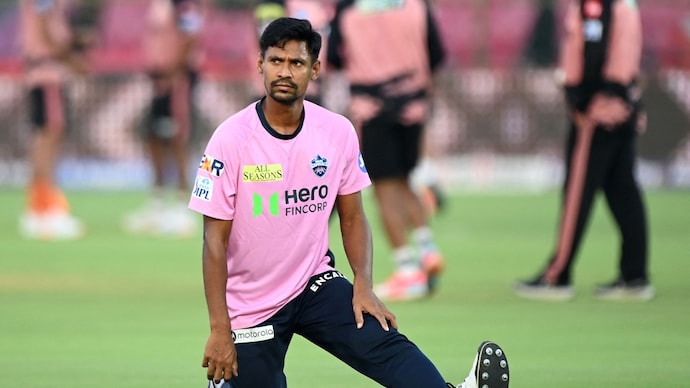
The ban not only affected fans but also highlighted the emotional connection Bangladesh supporters have with their national players, particularly someone as prominent and consistent as Mustafizur.
Mustafizur Rahman’s Measured Reaction
Amid all the noise, Mustafizur Rahman himself has chosen a notably restrained path. According to those close to the player, including team officials and fellow cricketers, the left-arm pacer has not allowed the controversy to disrupt his preparation or mindset. Instead, he has continued focusing on domestic commitments and maintaining peak fitness.
Those familiar with his approach describe him as mentally strong and grounded, someone who understands that many factors in international cricket remain outside a player’s control. Rather than reacting publicly or making controversial statements, Mustafizur has concentrated on performance — a quality that has defined his career since his early rise in international cricket.
A Test of Professionalism
Mustafizur’s response stands in contrast to the intense reactions surrounding him. In an era where athletes are often expected to voice opinions on every issue, his silence reflects a different kind of leadership — one rooted in discipline and professionalism. Coaches and former players have pointed out that such composure is crucial, especially for fast bowlers who rely heavily on rhythm and mental clarity.
By staying focused on cricket rather than controversy, Mustafizur has reinforced his reputation as a team-first player who prioritises performance over headlines.
The Broader Implications for World Cricket
The India-Bangladesh T20 World Cup dispute highlights a larger issue facing international sport: how to balance geopolitical realities with the spirit of global competition. While cricketing bodies aim to keep politics at arm’s length, national boards ultimately operate within the framework of government policies and public sentiment.
For the ICC, resolving this issue will require diplomacy and flexibility. Any final decision will likely set an important precedent for how similar situations are handled in future tournaments.
Looking Ahead
As the T20 World Cup approaches, uncertainty remains around Bangladesh’s participation in India. However, one constant in this unfolding situation is Mustafizur Rahman’s calm demeanour. His ability to stay unaffected by off-field turbulence sends a strong message about resilience and professionalism in modern cricket.
Regardless of how the saga concludes, Mustafizur’s response serves as a reminder that while controversies may dominate headlines, true athletes continue to let their performances speak for them.