
The US Supreme Court is currently hearing a high-stakes case that could redefine how the United States uses tariffs as a trade tool. While tariffs themselves are not in question, the central issue revolves around who has the constitutional authority to impose them. This ruling has the potential to reshape trade policy, affect businesses globally, and alter the balance of power between the executive and legislative branches of the US government.
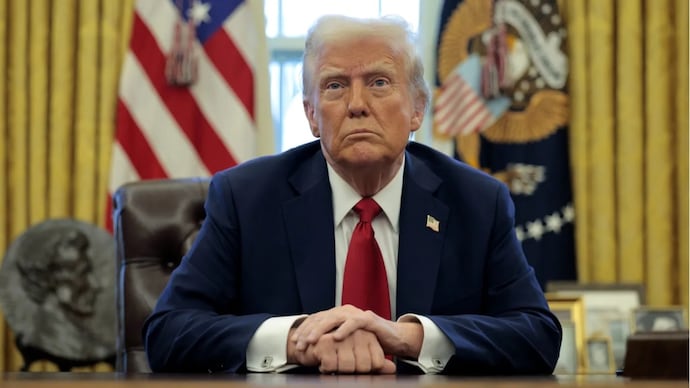
As countries from Asia to Europe continue to navigate the impact of US tariffs, exporters in India and other nations watch closely. Many of them face high duties on goods ranging from textiles and jewellery to engineering products. The Supreme Court’s decision could influence not just the past Trump-era tariffs, but also the future scope of presidential trade powers.
The Core Legal Issue
The legal challenge centers around the International Emergency Economic Powers Act (IEEPA), a law that President Donald Trump used to impose numerous tariffs during his tenure. While the IEEPA allows the president to act during declared emergencies, critics argue that it grants the executive branch powers that belong to Congress, violating the US Constitution’s separation of powers.
Russell A. Stamets, a trade lawyer, explains:
“This is a case about the separation of powers between the executive branch and the legislative branch. President Trump has shown a desire to push the traditional boundaries that separate the branches of government and to arrogate those powers to himself. This case is simply another test of the legality of that approach.”
The Federal Circuit Court previously ruled 7-4 that Trump exceeded his authority under IEEPA. The case has now escalated to the Supreme Court, which will issue the final ruling.
klokkenluideronline.in | BrankCosmetics.com | dreamvestr.com
extremesportsgoons.info | marketkingz.com
Potential Impact on Trump-Era Tariffs
If the Supreme Court upholds the lower court ruling, most Trump-era tariffs imposed under IEEPA could be cancelled. This would offer immediate relief to US importers and international exporters who have been paying higher duties for years.
However, not all tariffs would be affected. Other tariffs imposed under different legal frameworks, such as:
-
Section 232 tariffs (based on national security)
-
Section 301 tariffs (imposed in retaliation for unfair foreign trade practices)
would remain in effect. Businesses and consumers may still face costs associated with these tariffs.
Stamets notes that firms that have already paid duties under IEEPA tariffs would likely seek refunds if the Supreme Court ultimately supports the lower court ruling.
Impact on Businesses and Consumers
The business impact of a ruling against IEEPA tariffs could be significant. US companies, large and small, rely heavily on global supply chains, many of which were disrupted by Trump-era tariffs. For some businesses, there were no ready alternatives to their traditional overseas suppliers.
Tariffs not only affect companies but also increase consumer costs. According to estimates, the cost of these tariffs could translate to $15–35 per month per American household, potentially higher depending on product exposure. In local terms, this could amount to approximately Rs 1,200 to Rs 2,800 per household in 2025.
By cancelling tariffs imposed under IEEPA, US businesses would gain immediate financial relief, reducing costs in supply chains and potentially easing pressure on consumers.
Implications for Indian and Global Exporters
The ruling would also have international repercussions. Exporters from India—particularly in textiles, jewellery, engineering goods, and chemicals—could see tariffs lifted or reduced, providing some relief.
However, Stamets cautions that:
“There is no reason to think President Trump will not seek other ways to accomplish his goals, including strong-arming the compliant legislature.”
Even if IEEPA tariffs are nullified, other legal avenues could be used to maintain protectionist trade measures. Therefore, Indian exporters should remain cautious and prepared for changes in US trade policy.
Constitutional Questions and Executive Authority
Beyond economic implications, the case raises fundamental constitutional questions about the limits of presidential power. The Trump administration argued that cancelling IEEPA tariffs could undermine US foreign policy and national security. Critics, however, have questioned this claim, suggesting that the justification was weak.
The Supreme Court’s decision could set a precedent for future presidents, clarifying whether unilateral executive actions on tariffs are permissible without explicit Congressional approval.
This is particularly relevant for trade policy because presidents often use tariffs to:
-
Protect domestic industries
-
Retaliate against foreign unfair trade practices
-
Advance strategic economic objectives
Determining who can legally impose these measures could change the landscape of US trade for decades.
Possible Outcomes of the Ruling
-
Supreme Court Upholds the Lower Court:
-
Trump-era IEEPA tariffs are struck down.
-
Importers and exporters see immediate relief.
-
US businesses may claim refunds for duties already paid.
-
-
Supreme Court Overturns the Lower Court:
-
Trump-era tariffs remain in force.
-
Legal precedent may expand presidential authority over trade measures.
-
Businesses and consumers continue to bear higher costs.
-
-
Partial Ruling or Remand:
-
Court could limit some powers but allow others.
-
Uncertainty continues in trade markets.
-
Global Trade Implications
The ruling will affect global supply chains, as the United States is a major market for exports worldwide. Exporters from India, China, Europe, and Southeast Asia are particularly exposed to tariffs imposed under IEEPA.
A favourable ruling could:
-
Reduce costs for US importers
-
Encourage smoother trade flows
-
Improve market predictability for exporters
Conversely, if the ruling favours expanded executive power, it may encourage future presidents to impose unilateral tariffs, creating ongoing uncertainty for international trade.
The Bigger Picture: Trade, Politics, and Law
This case highlights the intersection of trade, law, and politics. It emphasizes how constitutional checks and balances can influence economic policy and international relations.
For US citizens, the ruling could affect consumer prices, job markets, and business competitiveness. For international exporters, it could influence market access and pricing strategies.
The Supreme Court’s decision is being closely watched not only in Washington but also in New Delhi, Brussels, Tokyo, and Beijing, as countries anticipate potential ripple effects across global trade.
Conclusion
The US Supreme Court’s upcoming decision on Trump-era tariffs under the IEEPA has profound implications. It is more than a legal technicality; it is a test of executive authority, constitutional limits, and the future of trade policy.
If the court rules against Trump’s approach, businesses and exporters around the world could see immediate benefits. Consumers may also enjoy lower prices as tariff costs are reduced. Conversely, a ruling in favour of expanded presidential authority could signal a new era of unilateral trade measures, with long-term effects on global supply chains and trade relations.
For now, companies, governments, and consumers remain watchful and cautious, waiting for a Supreme Court decision that could reshape how the United States wields tariffs as a trade tool for years to come.