
The International Cricket Council (ICC) has firmly rejected Pakistan’s demand to remove match referee Andy Pycroft from officiating the remaining matches of the Asia Cup 2025. The decision comes after the Pakistan Cricket Board (PCB) lodged a formal complaint against the Indian players and Pycroft, following what has been described as the now-infamous “handshake controversy” during the India-Pakistan group-stage clash.
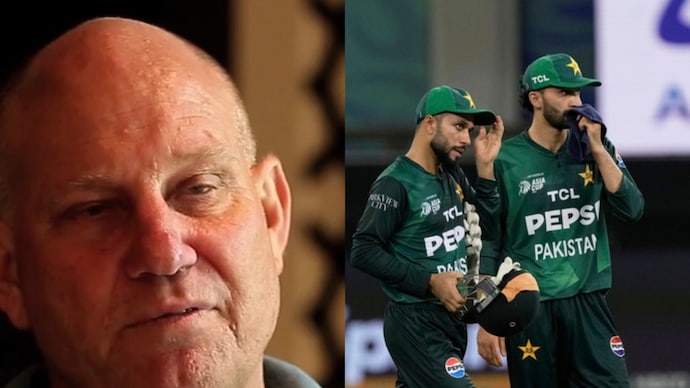
This incident has once again highlighted the intensity of the cricket rivalry between India and Pakistan, which often goes beyond just sport. While the ICC’s decision is final, the controversy has sparked heated debates among fans, experts, and officials.
The Handshake Controversy: What Happened?
The controversy began during the high-voltage India-Pakistan group match on September 14. At the toss, Indian captain Suryakumar Yadav reportedly did not shake hands with Pakistan skipper Salman Agha. After India chased down the 128-run target with ease, the Indian players allegedly refused to engage in the customary post-match handshake and did not leave their dressing room for the gesture.
This act angered the Pakistan team. Salman Agha skipped the post-match presentation ceremony in protest, signaling that the gesture was not just about sportsmanship but also respect between teams. Pakistan head coach Mike Hesson later expressed disappointment at the incident, calling it against the spirit of the game.
Suryakumar Yadav, however, defended the Indian team’s actions, claiming that it was a team decision taken in light of the tense political situation between the two countries and to maintain focus. This justification did little to calm the PCB, which proceeded to file a complaint with the ICC.
PCB’s Strong Reaction
The Pakistan Cricket Board submitted a formal letter to the ICC demanding action. According to PCB’s statement, match referee Andy Pycroft advised Salman Agha not to shake hands with the Indian players at the toss, further fueling tensions. The PCB alleged that this, coupled with India’s refusal to engage in the handshake, was a violation of the ICC’s Code of Conduct.
In the letter, the PCB made its position clear: either remove Andy Pycroft as the match referee for the remainder of the tournament or Pakistan would withdraw from the Asia Cup entirely. This demand escalated the situation, making it not just about sportsmanship but about participation in one of cricket’s most prestigious tournaments.
itsafemination.com | howdystar.com | thelocanto.com
fideleturfco.com | novelsoul.org
ICC’s Firm Stand
The ICC investigated the matter and, after reviewing the sequence of events, rejected Pakistan’s demand to remove Pycroft. The ICC reportedly conveyed its decision directly to PCB officials, stating that there was no breach of conduct significant enough to warrant removal of the match referee.
Sources also suggest that some Asian Cricket Council (ACC) officials, including the PCB’s own Director of International Cricket Operations, Usman Wahla, were aware in advance that there might not be a handshake. This revelation further weakened PCB’s case.
Fallout in Pakistan
The controversy has had ripple effects within Pakistan cricket administration. The PCB suspended Usman Wahla, holding him responsible for “failing to take timely action” over the handshake row before it spiraled into a larger controversy.
PCB chief Mohsin Naqvi expressed his disappointment publicly, stating that such acts were against the spirit of sports and urged for cricket to remain free from political undertones. His comments, however, did little to reduce the embarrassment caused by the ICC’s refusal to entertain Pakistan’s demands.
Options Ahead for Pakistan
With Pakistan scheduled to play their next match against the UAE on September 17, the PCB faces a tough decision. They must either:
-
Continue in the Tournament: Swallow their pride and play the match against UAE, focusing on qualification for the next stage.
-
Withdraw from the Asia Cup: Stick to their earlier threat and withdraw from the tournament, which could have long-term consequences including financial penalties and reputational damage.
Most experts believe that withdrawal would be a drastic step that could harm Pakistan cricket more than it helps. Staying in the tournament and proving their strength on the field may be the better response.
Spirit of the Game and Sportsmanship
The handshake controversy highlights an important aspect of cricket — its emphasis on sportsmanship. Handshakes after a match are seen as a gesture of mutual respect, regardless of the outcome. While political tensions between nations can be a factor, most observers agree that players must strive to maintain the decorum of the sport.
Incidents like these risk overshadowing the talent and hard work displayed on the field. Cricket lovers across the world would rather remember India-Pakistan clashes for brilliant batting and fiery spells than off-field controversies.
Broader Implications
The ICC’s decision sends a strong message that disciplinary and administrative decisions will not be swayed by threats of withdrawal. It underscores the need for all boards to handle disputes professionally and keep the spirit of the game intact.
For India, the decision vindicates its players, who stood by their actions and have not been penalized. For Pakistan, this is a moment of introspection — to focus more on performance and less on controversies that could distract from their campaign.
Conclusion
The handshake row between India and Pakistan has become a talking point not just in cricketing circles but also among fans worldwide. While emotions are running high, the ICC’s refusal to remove Andy Pycroft indicates its commitment to impartial governance of the game.
With Pakistan’s next match around the corner, the cricketing world is keenly watching whether they will continue in the Asia Cup or take the drastic step of pulling out. Regardless of the outcome, this incident serves as a reminder that cricket is more than just a competition — it is a platform for fostering respect, sportsmanship, and unity, even between rivals.