
A Bold Proposal from Washington
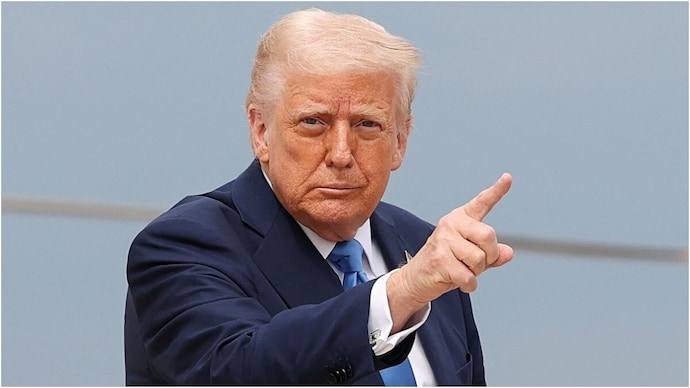
In a dramatic policy push, former President Donald Trump has called on the European Union to slap 100% tariffs on imports from India and China as part of a coordinated transatlantic strategy to choke off Russian oil revenues and pressure President Vladimir Putin.
The request was made during a high-level conference call with EU sanctions envoy David O’Sullivan and other officials, occurring while an EU delegation was in Washington for sanctions coordination talks.
A U.S. official emphasized that the action was only feasible if the EU committed to it as well:
“We’re ready to go, ready to go right now, but we’re only going to do this if our European partners step up with us.”
Trump bluntly explained, “Let’s all put on dramatic tariffs and keep the tariffs on until the Chinese agree to stop buying the oil. There really aren’t many other places that oil can go.”
alltypemeaning.com | subhadrayojanaonline.com | outfitideashub.com
alltypefullform.com
Why Target India and China?
India and China are among the largest buyers of Russian oil—a critical lifeline for Moscow as Western sanctions escalate. China continues to import vast volumes of crude, while India’s purchases also remain significant despite international pressure.
A Shift in EU Strategy?
Recommending sweeping tariffs marks a departure from the EU’s traditional approach, which has focused on sanctions aimed at isolating Russia through diplomatic and financial means—not trade barriers. The European capitals are reportedly considering secondary sanctions on oil buyers like India and China, though such measures raise serious concerns about the economic fallout due to deep trade links with both countries.
America’s Own Moves
Trump has already taken action: earlier this year he imposed an additional 25% tariff on Indian imports, effectively doubling it to 50%, citing India’s continuing oil ties with the Kremlin. The U.S. has also maintained a 30% tariff on Chinese goods, though no recent increases have been introduced.
Economic Repercussions
The markets and governments have reacted cautiously. Oil prices rose modestly due to the proposed tariffs and geopolitical risk, though analysts point to lingering uncertainties about feasibility and effectiveness.
India meanwhile is preparing relief packages for exporters, especially in sectors like textiles, jewelry, chemicals, and seafood, which are vulnerable to the steep U.S. duties. The Indian government argues these tariffs are unfair and damaging to its economy. U.S. Congressman Ro Khanna has also criticized the tariffs, warning they risk pushing India closer to China and Russia and undermining long-standing bilateral ties.
Diplomatic Tightrope and Contradictions
Despite his tough talk, Trump has pivoted to a friendlier tone with India, stating that talks addressing trade barriers are underway and that he looks forward to speaking with Prime Minister Modi in the near future.
This contradiction underscores the delicate balance between using tariffs as leverage and preserving strategic alliances. It also reveals the high-stakes nature of international diplomacy amid the Russia-Ukraine conflict.
Looking Ahead: Stakes and Implications
-
Geopolitical Pressure
Coordinated tariffs, if implemented, could significantly squeeze Russia’s oil revenues and may influence global oil routes and prices. -
EU’s Strategic Calculus
The EU faces a tough choice: escalate economic pressure on Moscow or risk alienating key trading partners and damaging its own economy. -
India and China’s Responses
Both countries could retaliate with their own trade restrictions or deepen partnerships with each other or Russia to mitigate impact. -
U.S. Domestic Considerations
High tariffs often lead to higher prices for American consumers, complicating Trump’s domestic messaging and broader economic outlook.
Final Word
Trump’s proposal marks a bold escalation in the economic dimensions of the geopolitical conflict with Russia. While the move could deal a severe blow to Moscow’s oil-driven revenues, it carries significant risks for global trade, energy prices, and diplomatic relations. The coming months will determine whether the EU chooses to align with Washington or maintain its more cautious, sanctions-first approach.